BOAT TEAM
Sörmland Coast
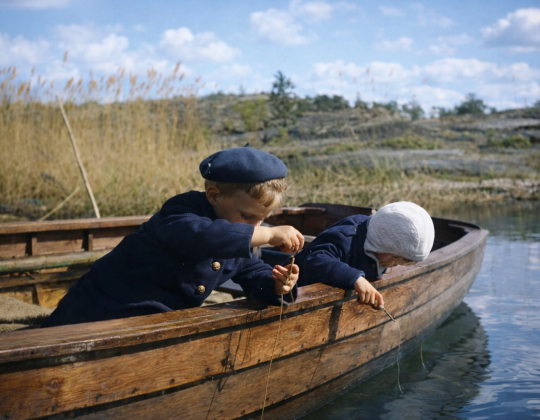
Archipelago culture and wooden boat life – A page for you who love the sea, craftsmanship, and the stories along the Sörmland Coast. If you want to learn more, get involved in an association, or just enjoy wonderful experiences, you have come to the right place.
This is a Leader-funded initiative!

About the project
Boat Team Sörmland Coast is a Leader-funded collaboration project between associations and actors working with wooden boats, coastal life, and archipelago culture along the Sörmland Coast.
Here, the documentation of Sörmland Coast's wooden boat and clinker boat tradition is gathered – in the form of films, photographs, stories, and in-depth texts. We highlight the work of local boat teams and make visible the living knowledge that exists along our coast.
The page also publishes information about the project's activities, meeting places, and news.
The project runs from 2025 to 2027 and is funded through Leader with support from the EU.
Do you want to join?
Contact us if you want to get involved, collaborate, or contribute a story, a boat, or a place.
King Valdemar's Sailing Route
Imagine trying to navigate through an archipelago without GPS, compass, or even a reliable map. 800 years ago, King Valdemar's sailing route was the medieval world's ”E4” – a vital highway at sea that stretched from Denmark, all the way along Sweden's coast, to Estonia.
Here’s why this route is key to understanding how Sweden became Sweden:
The Sörmland Coast is full of places mentioned in medieval documents. Here are some of the most well-known towns and locations that were strategic points along the route:
- Nyköping (Nyköping Castle): Already in the 1100s, there was a defense facility here to control the entrance to the town. It was one of the most important hubs for power and defense along the entire Sörmland coast.
- Stendörren: This famous nature reserve is actually mentioned for the very first time in King Valdemar's sailing route. The name refers to the narrow strait (”the door”) that one had to pass to continue northward.
- Oxelösund (Oslorsund): Under the name Oslorsund this is described as a passage one sailed through to continue up towards Stockholm.
- Trosa and nearby islands: The route went just outside Trosa archipelago. The document specifically mentions islands such as Askö, Ringsö and Rågö as important landmarks or harbors.
- Sävösund: Another strategic passage near today's Trosa where archaeologists have found several traces of medieval shipping.
- Svärdsö (Swethersund): A strait further north towards Nynäshamn that was part of the inner route one followed to avoid the open fjords.
Why these specifically?
These places were not chosen randomly; they were either narrow straits where it was easy to navigate (and defend) or sheltered harbors where the crew could go ashore to cook and sleep, as the medieval ships were cramped and lacked amenities.
Many of today's most popular destinations in Sörmland are thus directly born from this ancient logistics!
Current: during the autumn of 2026, a preliminary study is underway regarding how we can build a canoe trail from King Valdemar's Sailing Route.
The coastal portal
Places & stories along the Sörmland coast
The coastal portal is a common entry point to places, stories, environments, and activities along the Sörmland coast. Here we gather knowledge about coastal and archipelago life – from history, archaeology, and wooden boat traditions to ongoing projects, destinations, and local initiatives.
In the Coastal Portal, you can easily filter the content by category, subject, place, sender, and time period. This way, it becomes easy to find both historical environments and contemporary activities – and to discover how the Sörmland coast and archipelago have been shaped by people, shipping, fishing, craftsmanship, and life close to the sea.
Do you have a story you want to share? Contact us – we are happy to help.

Archipelago culture and wooden boat life – A page for you who love the sea, craftsmanship, and the stories along the Sörmland coast. If you want to learn more, engage in an association, or just take part in wonderful experiences, you have come to the right place.

Under production
We are starting a collaboration with Fredrik Ousbäck – documentary films about the wooden boat culture of the Sörmland coast
The collaboration means that a longer documentary production is being developed with a focus on the Sörmland coast from a historical and cultural-historical perspective , where clinker-built wooden boats and their significance constitutes a central theme.
Intangible cultural heritage
The Nordic clinker boat tradition
The Nordic clinker boat tradition has been internationally recognized as a living cultural heritage.
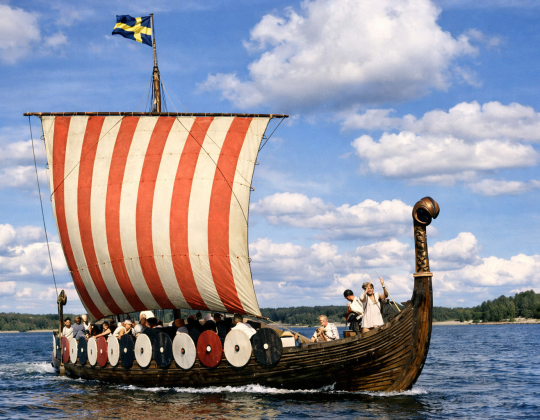
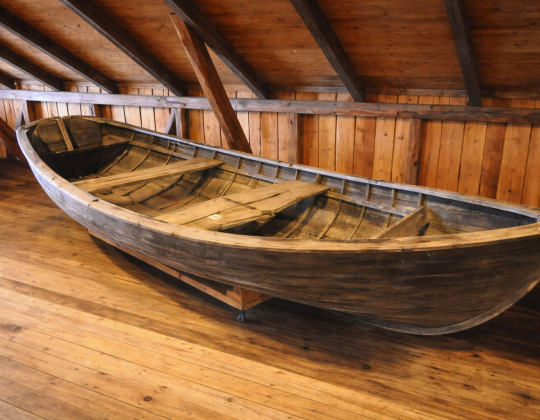
Building boats using clinker technique is a tradition in Nordic shipbuilding that can be traced back to the Viking Age. The technique involves the boat's various planks being joined together by overlapping each other, instead of lying edge to edge. In parts of Sweden's coastal areas, the technique is still maintained, especially for smaller boats such as rowboats, snipes, and julls. The oldest find of a clinker-built ship in Sweden is the Äskekärr ship, which has been dated to the 930s.

Femöredagen 2.0
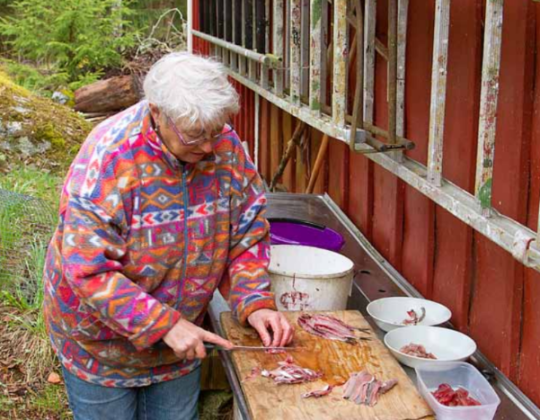
Femöredagen in Oxelösund has long been a beloved tradition filled with archipelago culture, hit-and-miss engines, and the scent of freshly fried herring. But something new August 29, 2026 is happening.

Workshops
Are you curious about how several hundred years of coastal craftsmanship knowledge can inspire the future?
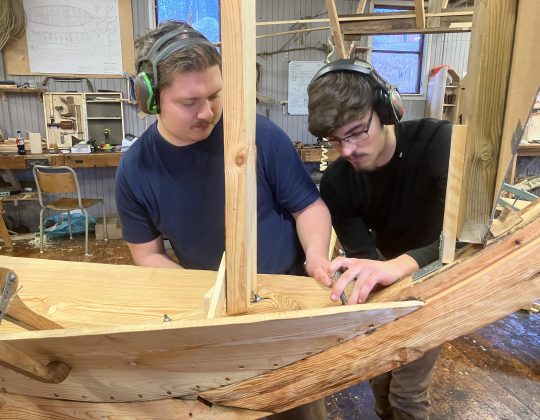
In our workshops, you can step right into the clinker boat tradition – try, discover, and meet a living cultural heritage that is today recognized by UNESCO.
Read more about our working groups – and how you can just be part of shaping the future coastal culture.
Boat group Hulda
We started Tuesday January 13 and then meet every Tuesday at 10:00–12:15 , until and including May 9. Read more
Boat group Hasselö
We started Thursday January 15 15 January and then meet every Thursday at 10:00–12:15 , until and including May 9. Read more
Boat group Tändkulemotor
We start in February and meet then one day a week until and including May 9. Read more
Calendar
Hi! How fun that you
want to contact us.
Leave a few lines and we will be in touch!
"*" indicates required fields